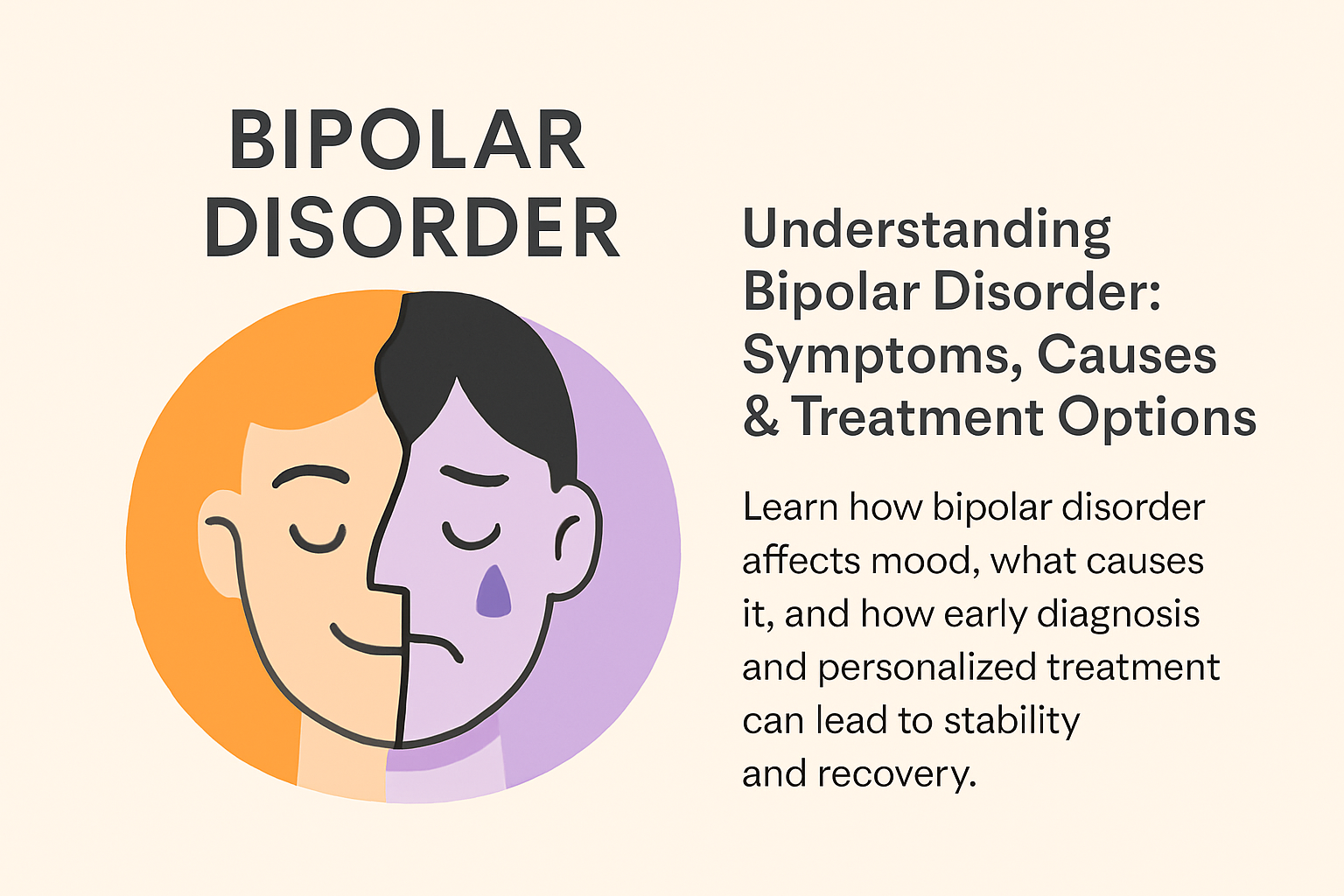
An advance directive in mental health care is a powerful legal document that allows individuals to take control of their treatment preferences before a mental health crisis occurs. It is specifically designed for situations where a person may become incapacitated or unable to make informed decisions due to a mental illness such as schizophrenia, bipolar disorder, severe depression, or other psychiatric conditions.
Advance directives are not just paperwork—they are a critical component of patient autonomy and mental health rights advocacy. They ensure that the person’s wishes regarding mental health treatment, medications, hospitalization, and trusted decision-makers are respected during times when they may not be in a position to communicate clearly or make sound judgments.
What Does a Mental Health Advance Directive Include?
A psychiatric advance directive (PAD) can include several types of instructions and preferences, such as:
- 💊 Medications the person agrees to or wishes to avoid
- 🏥 Preferred treatment facilities or hospitals
- 👨⚕️ Types of therapy or interventions they are comfortable with
- 🧑⚖️ Consent or refusal for electroconvulsive therapy (ECT) or other intensive treatments
- 👥 Designation of a healthcare proxy — someone the individual trusts to make decisions on their behalf
- 🛑 Refusal of involuntary commitment or forced medication, if legally permitted
Why Are Advance Directives Important in Mental Health?
Unlike standard medical advance directives, which typically focus on end-of-life care, mental health advance directives are focused on maintaining dignity, control, and continuity of care during psychiatric emergencies.
They help reduce the likelihood of unwanted or traumatic interventions, provide guidance to clinicians, and offer peace of mind to both patients and their families. For example, a person with bipolar disorder may use an advance directive to specify which mood stabilizers work for them—or which ones caused severe side effects in the past.
Who Should Consider Creating One?
Anyone living with a chronic mental health condition or with a history of mental health hospitalization should consider creating an advance directive. It is especially beneficial for individuals who experience:
- Recurring psychotic episodes
- Periods of disorganized thinking
- Difficulty communicating during crises
- A desire to retain control over their psychiatric treatment
Even those who are currently stable can use a mental health advance directive to prepare for future uncertainties.
How to Create a Mental Health Advance Directive
Creating a legally binding psychiatric advance directive varies by region, but generally involves:
- Drafting the document – Clearly stating treatment preferences and naming a healthcare agent
- Reviewing it with a mental health professional
- Having it notarized or witnessed (depending on legal requirements in your jurisdiction)
- Sharing copies with your care providers, family members, and designated agents
Final Thoughts: Your Voice in Times of Crisis
It’s also advisable to revisit and update the directive regularly, especially after any major changes in health, medication, or life circumstances.
A mental health advance directive is more than just a legal form—it’s a proactive way to protect your rights, ensure compassionate care, and reduce the stress on your loved ones during challenging times. By planning ahead, you empower yourself and your care team with the clarity and guidance they need when it matters most.